Executive Summary
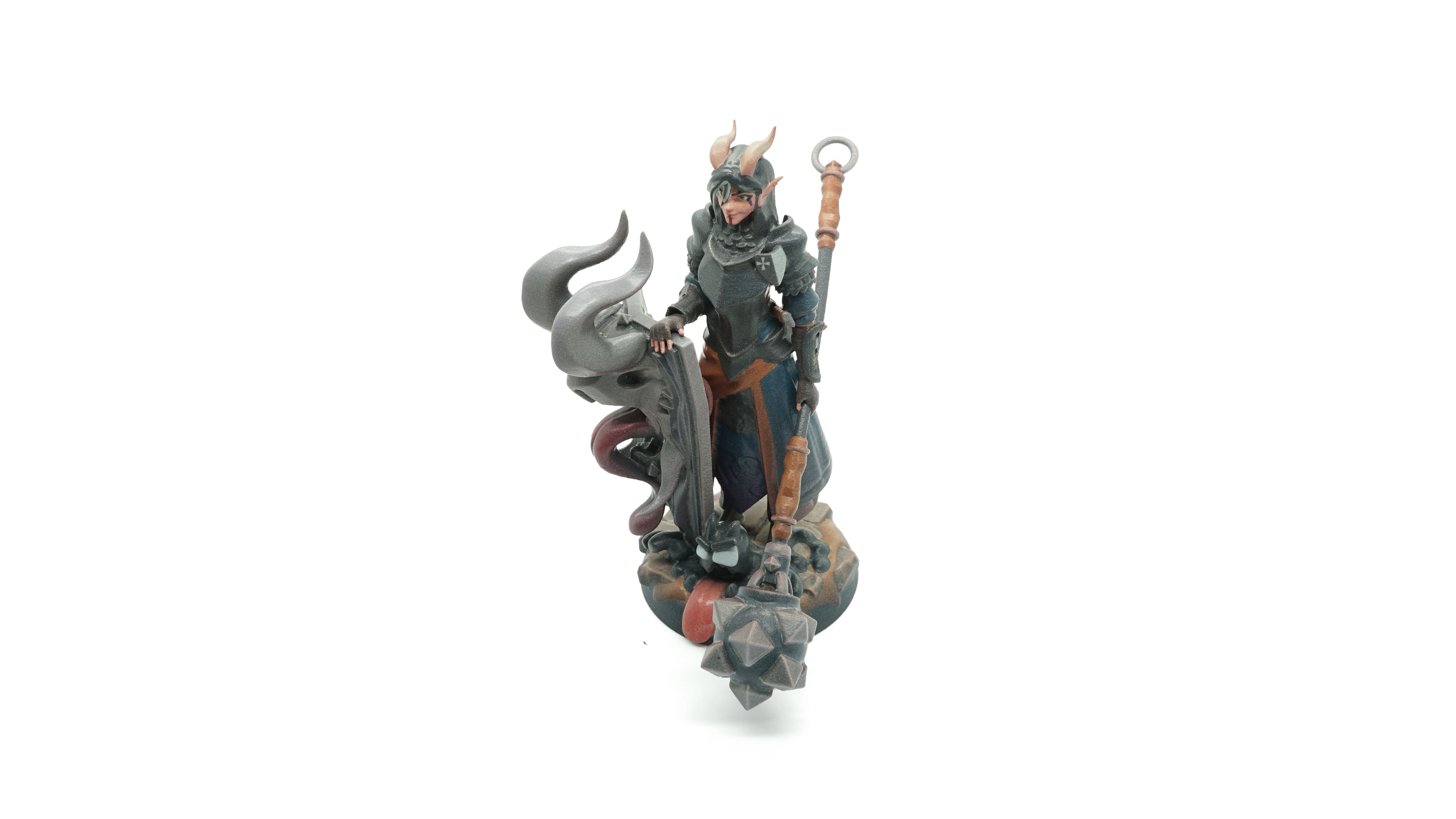
For decades, collectible figurines were dominated by mass production—factory-molded plastic figures designed to be affordable and identical. While these collectibles still have their place, a growing number of collectors are shifting toward hand-painted 3D printed figurines.
These newer collectibles emphasize craftsmanship, detail, and individuality. Rather than owning the same figure as thousands of others, collectors are choosing pieces that feel personal and artistic.
This article explores why hand-painted 3D printed figurines are replacing mass-produced collectibles, and what makes them fundamentally different.
The Problem With Mass-Produced Collectibles
Designed for Scale, Not Detail
Mass-produced figurines are optimized for:
- Injection molding constraints
- Fast paint application
- Cost efficiency
As a result:
- Fine details are often softened or removed
- Paint is applied uniformly with minimal shading
- Faces and textures can feel flat
For casual fans this is acceptable—but serious collectors often want more.
Everyone Owns the Same Figure
One of the biggest downsides of mass production is uniformity:
- Same pose
- Same paint
- Same finish
There is little sense of ownership beyond the brand itself.
What Makes Hand-Painted 3D Printed Figurines Different
Sculpted Digitally, Not Limited by Molds
3D printing removes many traditional limitations:
- Undercuts and complex geometry are easy
- Thin details (fingers, straps, textures) are preserved
- Designs can evolve without retooling costs
Artists can focus on accuracy instead of manufacturability.
Hand Painting Adds Depth and Life
Unlike factory paint applications:
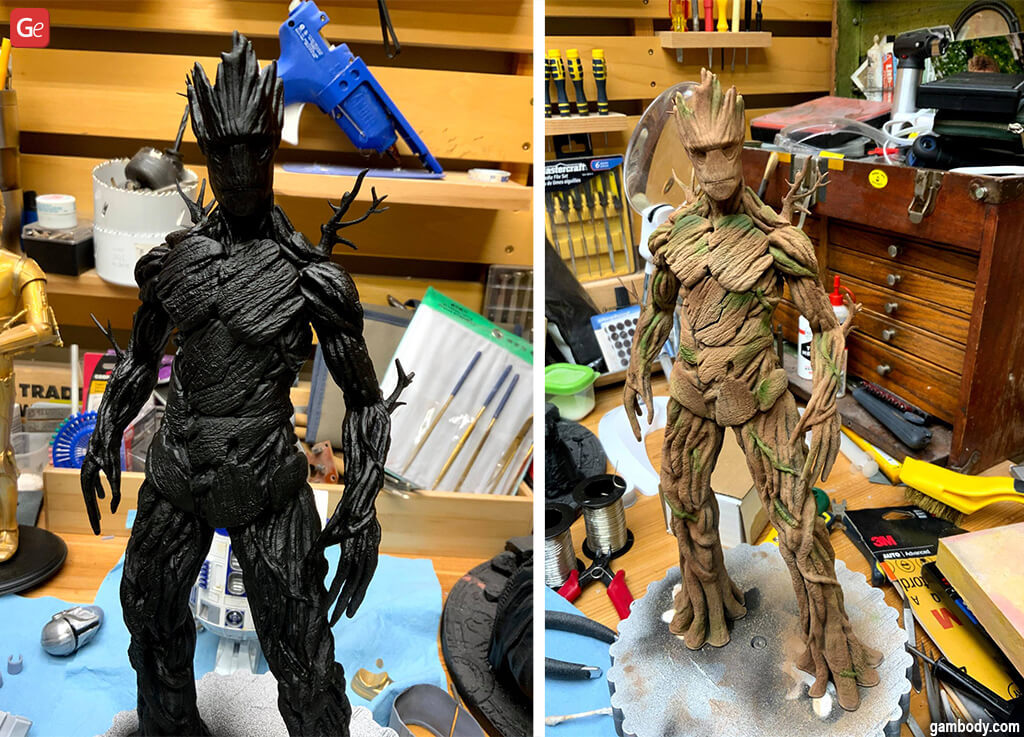
- Colors are layered, not sprayed once
- Shadows and highlights are painted intentionally
- Weathering, wear, and texture are added by hand
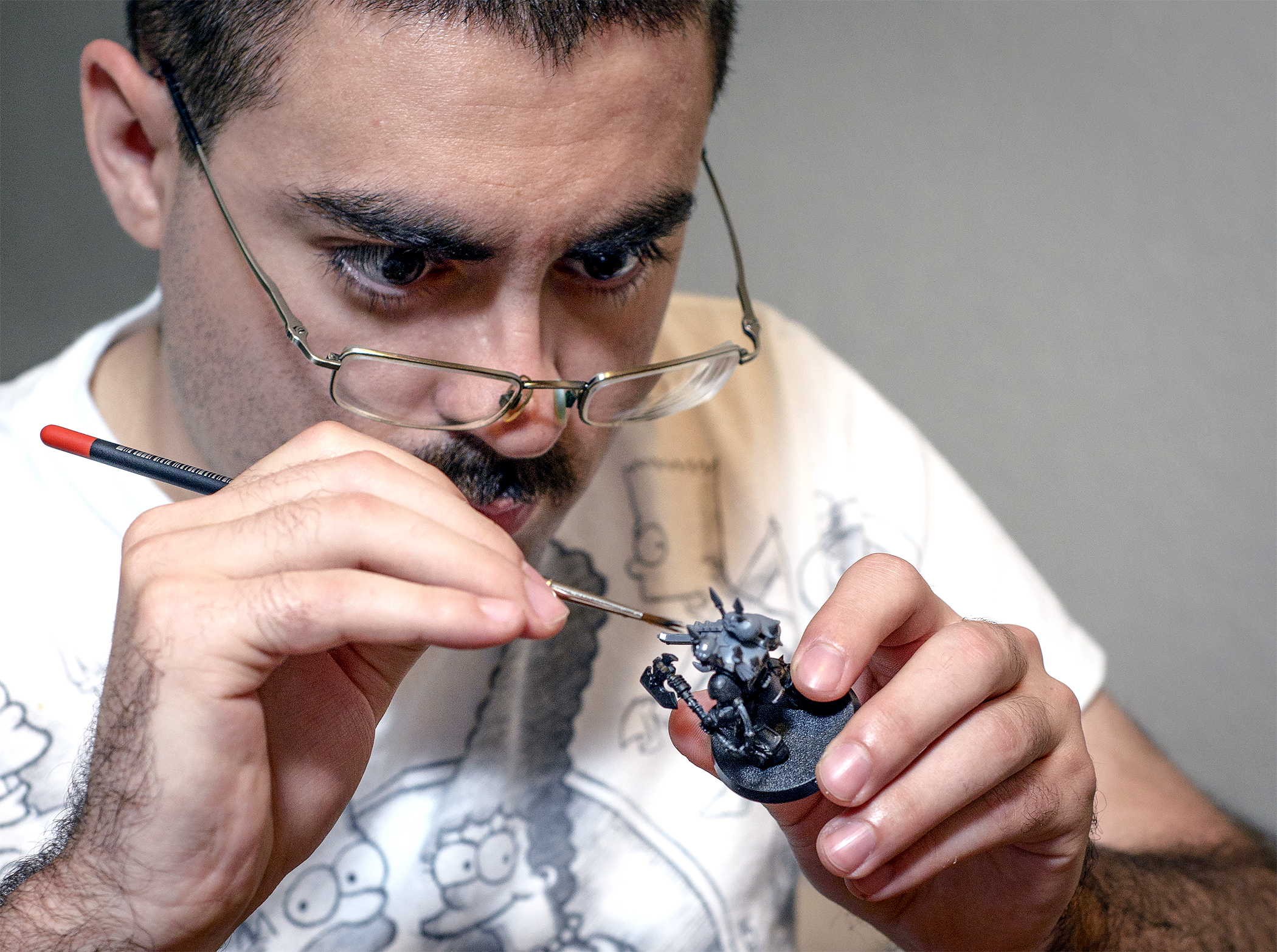
Each piece gains character through the painter’s technique.
Quality Over Quantity
Fewer Pieces, Higher Standards
Hand-painted figurines are typically:
- Produced in small batches or individually
- Inspected closely during each stage
- Adjusted manually if issues appear
This results in better consistency where it matters—faces, hands, and focal points.
Materials Matter
Most hand-painted 3D printed figurines use resin:
- Higher resolution than standard plastic
- Sharper edges and finer surface texture
- Better suited for display pieces

Why Collectors Are Making the Switch
Emotional and Artistic Value
Collectors often describe hand-painted figurines as:
- Display art rather than toys
- Conversation pieces
- Personal expressions of fandom
The value isn’t just in the IP—it’s in the execution.
Limited Availability Increases Appeal
Because production is slower:
- Pieces are naturally limited
- Variations between figures are normal
- Reprints are rare or non-existent
Scarcity adds long-term collectible value.
Are Hand-Painted 3D Printed Figurines for Everyone?
Not necessarily.
They may not be ideal if you want:
- The cheapest option
- Perfect uniformity across a large collection
- Durable play pieces
They are ideal if you value:
- Detail and realism
- Craftsmanship
- Unique display items
The Future of Collectibles
The collectible market is gradually shifting:
- Casual buyers still choose mass production
- Enthusiasts and collectors move toward artisan work
- Hybrid models (small runs + hand finishing) are emerging
As tools improve and artists gain experience, the gap between mass-produced and hand-crafted collectibles continues to widen.
Conclusion
Hand-painted 3D printed figurines are not just an alternative to mass-produced collectibles—they represent a different philosophy entirely.
They prioritize detail over speed, artistry over uniformity, and personal value over scale. For collectors who care about craftsmanship and uniqueness, this shift isn’t a trend—it’s a natural evolution.
Interested in collectible-quality figurines that feel more like art than products? Hand-painted 3D printed figures are setting a new standard.