Executive Summary
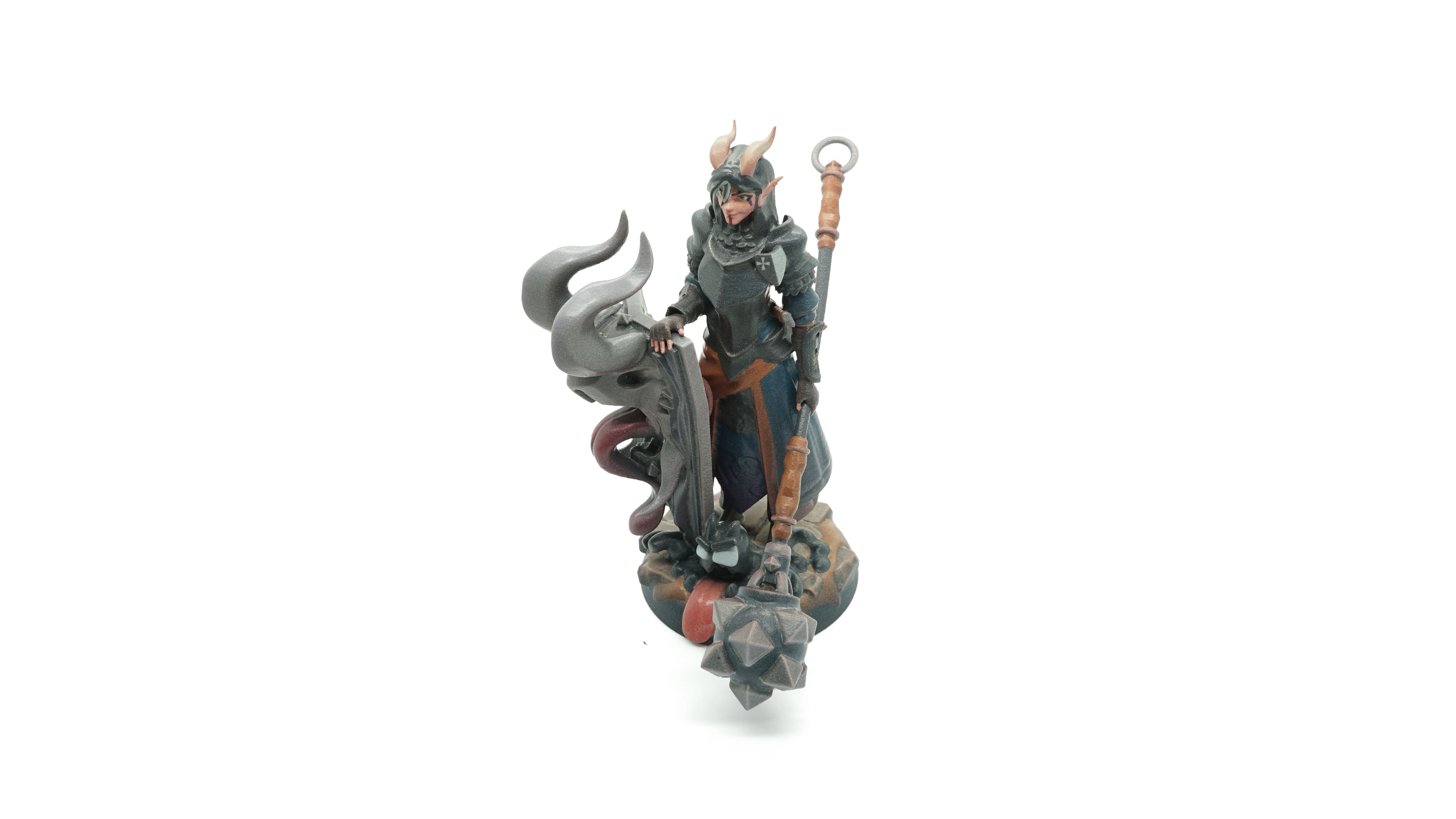
Collectibles have evolved far beyond mass-produced plastic figures. Today, fans of movies and TV series are increasingly turning to 3D printed, hand-painted figurines—highly detailed, small-batch creations that feel closer to art pieces than toys.
By combining digital sculpting, high-resolution 3D printing, and meticulous hand painting, creators can capture facial expressions, costumes, and poses with a level of fidelity that was difficult to achieve at scale even a decade ago.
This article breaks down how these figurines are made, why they’re growing in popularity, and what makes them so appealing to collectors.
The Shift From Mass Production to Artisan Collectibles
Traditional Figurines: The Old Model
For years, most movie and TV figurines followed a familiar pattern:
- Injection-molded plastic
- Simplified details to reduce manufacturing costs
- Identical copies produced in massive quantities
- Minimal or factory-applied paint
Affordable? Yes. But they often lacked screen-accurate texture, subtle shading, and “presence”.
The New Wave: 3D Printed & Hand-Painted
3D printing changed the equation:
- No molds required → complex geometry becomes practical
- Short runs or one-offs become viable
- Digital sculpts can preserve tiny costume details
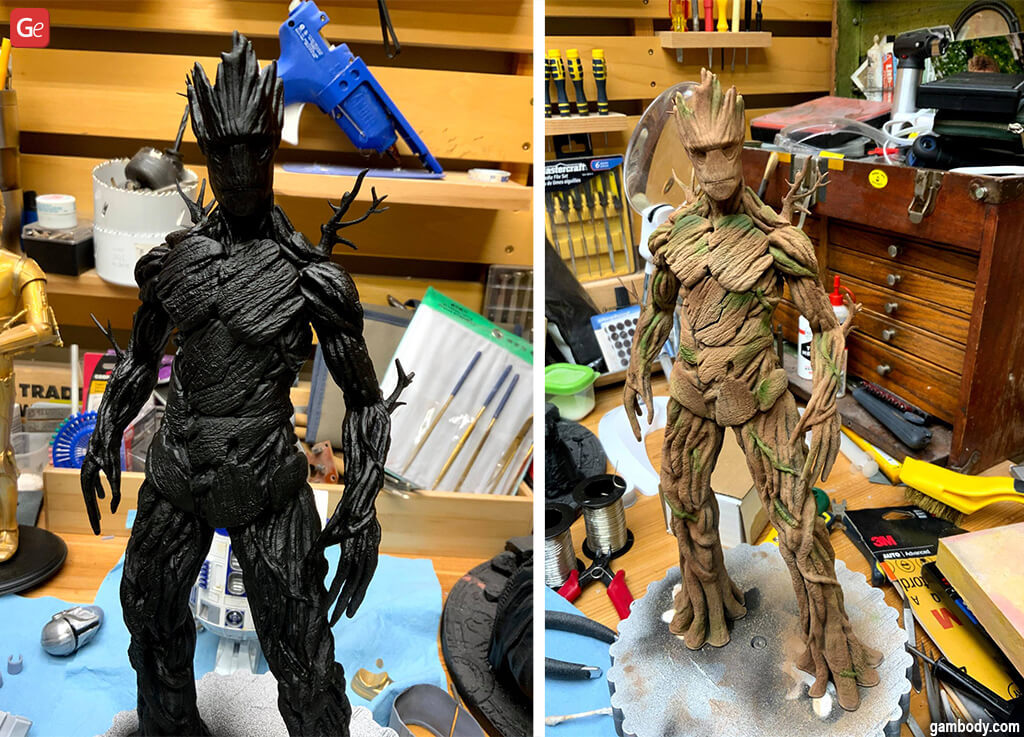
- Hand painting adds depth, realism, and individuality
The result is a new category of collectibles that feel custom-made for true fans.
How 3D Printed Hand-Painted Figurines Are Made
1. Digital Sculpting
Everything starts in software:
- High-resolution sculpting tools are used to model the character
- Reference images guide proportions, costume seams, and silhouette
- Facial expressions, fabric folds, armor scratches, and props are sculpted manually
This stage defines the final quality more than any other.
2. High-Resolution 3D Printing
Once the sculpt is finalized, it’s printed—most commonly with resin (SLA/MSLA) for maximum detail:
- Extremely fine layer heights (often ~0.03–0.05 mm)
- Crisp facial features and surface texture
- Parts printed separately for clean assembly and better paint access

After printing, the parts are cleaned, cured, and prepared for painting.
3. Cleanup, Assembly, and Surface Prep
Before paint ever touches the model:
- Supports are removed carefully to avoid pitting scars
- Surfaces are sanded and spot-filled where needed
- Parts are test-fit, pinned if necessary, and glued
- A primer coat is applied for consistent paint adhesion

4. Hand Painting: Where the Figurine Comes Alive
This is where craftsmanship truly shines:
- Base coats establish the main colors
- Layering and glazing build smooth gradients (skin, cloth, smoke, glow)
- Washes and lining add contrast in recesses
- Dry brushing and edge highlights define forms
- Fine-detail work (eyes, decals, weathering) sells the realism
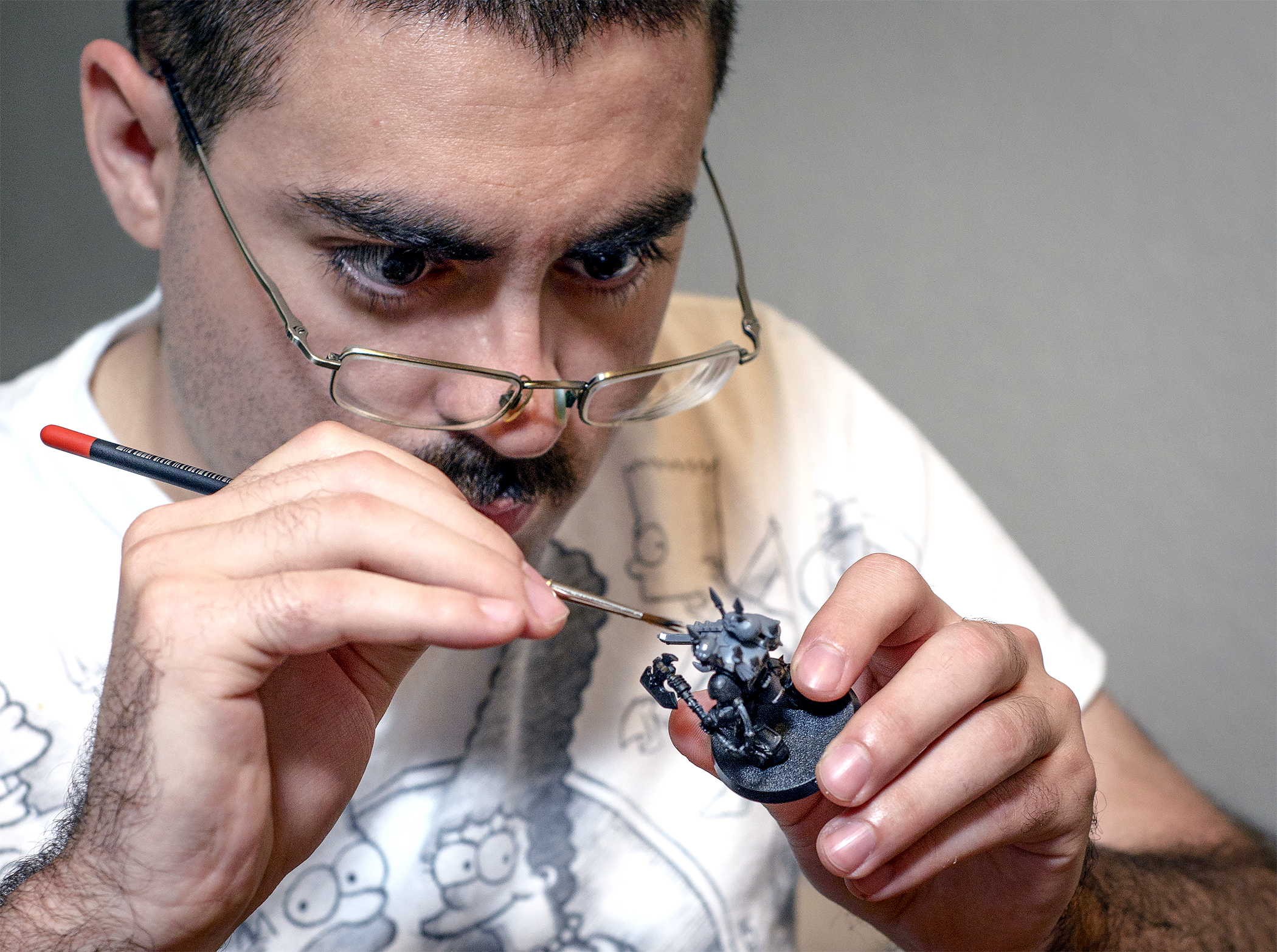
No two hand-painted figurines are exactly the same—and that uniqueness is a big part of the appeal.
Why Movie & TV Fans Love These Figurines
Screen Accuracy (When Done Right)
Because they start from a digital sculpt, these figurines can match:
- Recognizable poses and silhouettes
- Costume textures (stitching, armor plates, accessories)
- Character “attitude” and expression
Limited & Custom Pieces
Unlike mass-produced figures:
- Runs are often limited (or made-to-order)
- Variant poses, bases, and scales are possible
- Collector personalization (nameplates, scene bases) is realistic
Artistic Value
Many collectors see these as:
- Desk art
- Shelf centerpieces
- Display sculptures (not toys)
They sit somewhere between fandom and fine art.
Popular Styles & Themes
Realistic / Cinematic
- Screen-inspired proportions
- Natural skin tones and subtle weathering
- “Film lighting” paint approaches (controlled highlights)
Stylized / Chibi
- Exaggerated heads and expressions
- Compact, cute designs
- Still detailed, still hand-painted—just with a different aesthetic
Diorama-Style Pieces
- Characters integrated into a small scene
- Bases inspired by environments (ruins, spaceship panels, portals)
- Storytelling through pose and composition
Challenges Behind the Scenes
Time Investment
A single figurine can take:
- Days of sculpting (or careful model prep)
- Hours of printing + cleanup
- 5–20+ hours of painting (sometimes far more)
Quality Control
Because it’s handmade:
- Minor variations are normal
- Paint consistency depends heavily on experience
- Resin pieces can be brittle if mishandled
Collectors usually accept this as part of the charm—especially when the end result feels like an art piece.
Collector Tips: How to Choose a Great Piece
- Look for clean surfaces: minimal support scars, crisp edges, no warping
- Check face and hands: they reveal paint skill fastest
- Ask about primer + varnish: this affects longevity and durability
- Prefer photos in neutral lighting: to judge color accuracy honestly
- If it’s “screen-inspired”: judge silhouette and key costume cues first
The Future of 3D Printed Figurines
Several trends are shaping what collectors will see next:
- Higher-resolution printers → sharper micro-detail
- Better resins → stronger parts and less brittleness
- Improved paint workflows → more consistent, studio-grade finishes
- More diorama and “moment” pieces → scene-based collectibles
As tools improve, the gap between what’s on screen and what’s on your shelf keeps shrinking.
Conclusion
3D printed, hand-painted figurines inspired by movies and TV represent a powerful blend of modern tech and traditional artistry. They offer collectors something mass production rarely delivers: personality, precision, and passion.
Interested in custom or limited-run 3D printed figurines? Whether you’re a collector or a creator, this space is only getting more exciting.